
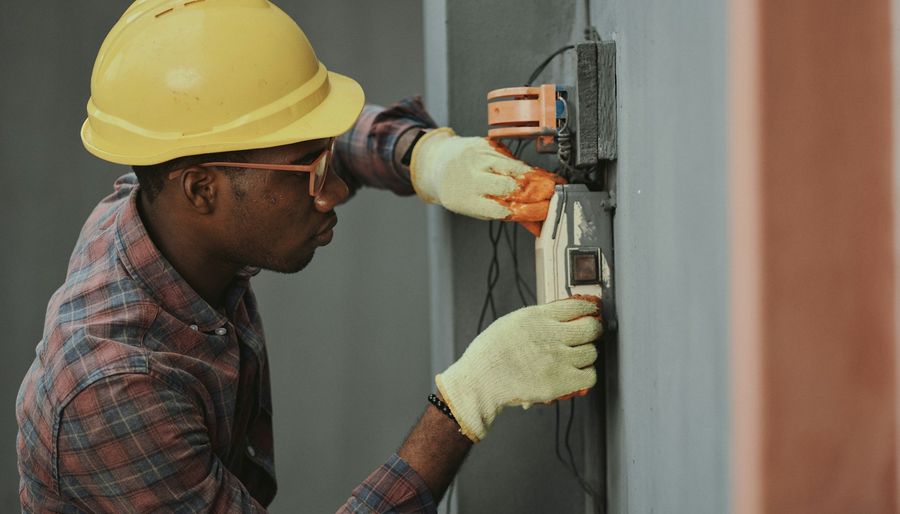
Integrating Solar Power into Your Home’s Electrical System
Integrating solar power into your home electrical system can significantly reduce energy costs and contribute to a sustainable future. For homeowners looking to harness renewable energy, understanding how solar power works within home electrical systems is crucial. Licensed contractors can ensure that installations meet NEC codes and provide optimal efficiency.
What is Solar Power Home Electrical Integration?
Solar power integration involves combining photovoltaic (PV) systems with home electrical infrastructures to generate and utilize solar energy efficiently.
- PV panels convert sunlight into direct current (DC) electricity
- Inverters change DC to alternating current (AC) for home use
- Batteries store excess energy for later use
- Grid-tied systems can sell excess power back to the utility company
Why Solar Power Home Electrical Integration Matters
Incorporating solar power into home electrical systems is vital for both economic and environmental reasons.
- Reduces monthly electricity bills significantly
- Decreases carbon footprint and reliance on fossil fuels
- Increases property value and marketability
- Provides energy independence and security
How Solar Power Home Electrical Systems Work
Assess Your Home's Energy Needs
Conduct a load calculation to determine your home's energy requirements. This involves understanding the average wattage used by appliances and ensuring that the solar system can meet these needs efficiently.
Install the Solar Panels
Mount PV panels on your roof or another location with maximum sun exposure. Ensure the panels are positioned to optimize energy capture throughout the day.
Connect to the Inverter and Electrical System
The inverter will convert DC electricity from the panels to 120V/240V AC power. Connect the inverter to your home's electrical system, ensuring circuit breakers and wiring comply with NEC standards.
Cost and ROI of Solar Power Integration
Investing in solar power for your home involves initial costs but offers substantial long-term benefits.
- Initial installation costs can range from $10,000 to $30,000, depending on system size and complexity
- Federal tax incentives can cover up to 26% of installation costs
- Average ROI is typically seen within 6 to 8 years
- Potential savings of $1,000 to $2,000 annually on energy bills
Common Mistakes in Solar Power Home Electrical Integration
- Failing to conduct a detailed load calculation
- Improper panel placement leading to reduced efficiency
- Not accounting for future energy needs in system sizing
- Neglecting to hire licensed contractors for installation
FAQ
How long do solar panels last?
Most solar panels have a lifespan of 25 to 30 years and may still function beyond that with reduced efficiency.
Can solar panels power a whole house?
Yes, if the system is properly sized and installed, solar panels can cover all of a home's energy requirements.
Do solar systems work during a blackout?
Grid-tied systems do not work during blackouts unless equipped with battery storage or a solar generator backup.
Final Recommendations
Integrating solar power into your home's electrical system is a forward-thinking investment. Ensure a seamless transition by contacting a local expert. Licensed contractors can provide a detailed assessment and professional installation to maximize your system’s potential.