
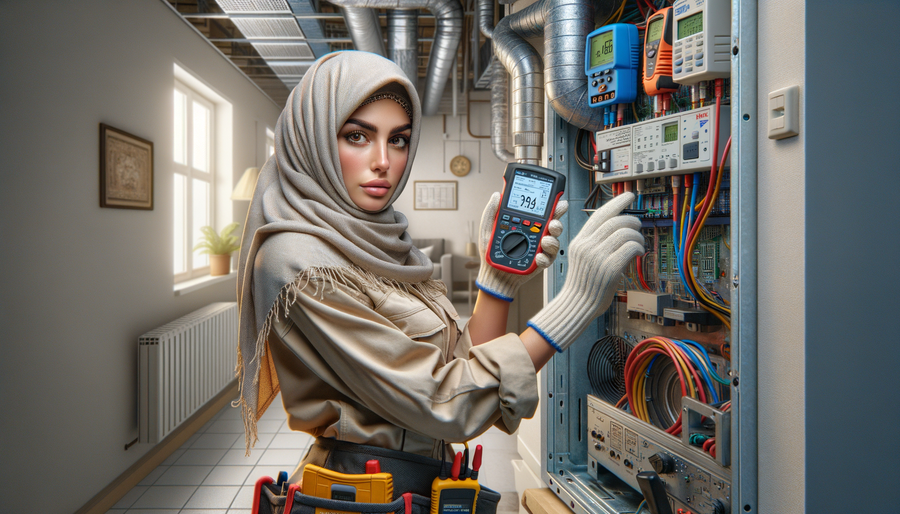
Ensuring Your Home HVAC Meets Safety Standards
HVAC safety standards are crucial for maintaining a safe and efficient home environment. As homeowners, ensuring compliance with these standards can prevent hazards and enhance system performance. In this guide, we'll explore the importance of HVAC safety standards and how you can ensure your system is compliant.
What are HVAC Safety Standards?
HVAC safety standards consist of guidelines and regulations designed to ensure that heating, ventilation, and air conditioning systems operate safely and efficiently. These standards are established by industry bodies and government agencies.
- Regulate installation and maintenance of HVAC systems
- Ensure safe operation to prevent hazards
- Improve energy efficiency and system performance
- Include local building codes and national standards
Why HVAC Safety Standards Matter
Adhering to HVAC safety standards is vital for protecting your home and family. Non-compliance can result in serious consequences, impacting both safety and finances.
- Prevents potential fire hazards and carbon monoxide leaks
- Reduces energy costs through optimized system performance
- Ensures system longevity and reliability
- Meets legal requirements and avoids penalties
How to Ensure HVAC Safety Standards Compliance
Schedule Regular Inspections
Engage a licensed HVAC contractor to perform regular inspections. This ensures that all components are functioning properly and identifies potential issues before they escalate.
Understand Local Building Codes
Familiarize yourself with local building codes related to HVAC systems. These codes often align with national standards but may have additional local requirements.
Upgrade to Energy-Efficient Systems
Consider upgrading to newer, energy-efficient HVAC systems that meet current safety standards. Energy-efficient models not only improve safety but also reduce operational costs.
Cost and ROI of Compliance
Investing in HVAC safety compliance can lead to significant financial benefits over time. Here's how these investments compare to potential costs of non-compliance.
- Initial inspection costs vs. potential repair bills from unchecked issues
- Energy savings from efficient systems vs. higher bills from inefficient systems
- Cost of fines for non-compliance vs. peace of mind from meeting legal requirements
- Investment in new systems vs. cost of emergency replacements
Common Mistakes and Pro Tips for HVAC Safety
- Avoid skipping annual maintenance checks
- Do not ignore unusual noises or smells from the system
- Ensure proper ventilation around HVAC units
- Consult with licensed professionals for installations and repairs
FAQ
What are the most important HVAC safety standards?
Key standards include proper installation, regular maintenance, and adherence to local building codes to prevent hazards and ensure efficiency.
How often should HVAC systems be inspected?
It is recommended to have HVAC systems inspected at least once a year by a licensed professional to maintain safety and performance.
Can I perform HVAC maintenance myself?
While basic maintenance like filter changes can be DIY, it's best to leave inspections and repairs to certified professionals.
Final Recommendations
To maintain a safe and efficient home environment, ensure your HVAC system meets all safety standards. Schedule regular inspections and consult with local experts for compliance. Contact a licensed contractor today to secure your home's safety.