
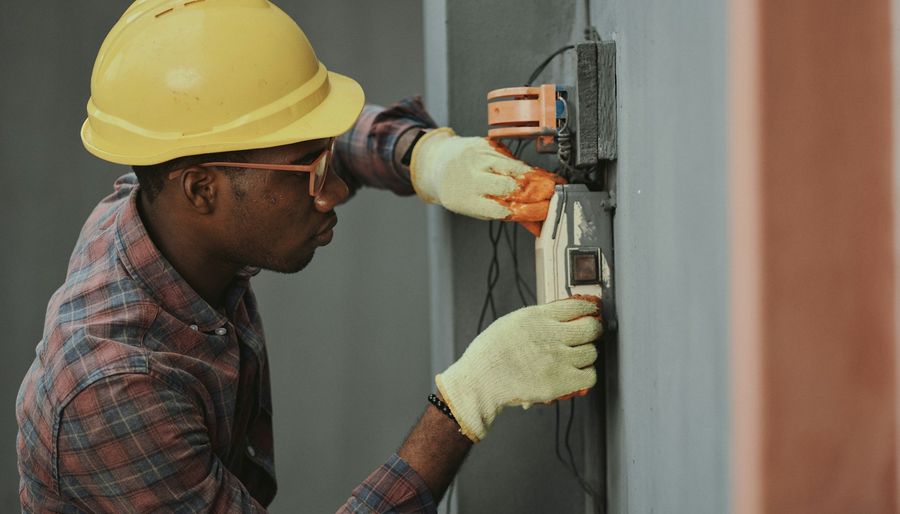
Electrical Upgrades: Enhancing Your Home’s Safety and Efficiency
When it comes to maintaining a safe and efficient home, electrical upgrades are essential. This electrical upgrades guide will help homeowners understand the importance of modernizing their wiring and electrical systems to meet current safety standards and improve energy efficiency.
What are Electrical Upgrades?
Electrical upgrades involve updating the electrical systems in your home to improve safety, increase capacity, and enhance efficiency.
- Upgrade outdated wiring to meet current NEC codes
- Install new circuit breakers with AFCI/GFCI protection
- Enhance electrical panel to handle higher amperage
- Add dedicated circuits for high-demand appliances
- Upgrade outlets to support 120V/240V devices
Why Electrical Upgrades Matter
Electrical upgrades are crucial for ensuring your home's safety and functionality, preventing potential hazards, and accommodating modern electrical demands.
- Reduces risk of electrical fires
- Increases property value and marketability
- Improves energy efficiency, lowering utility bills
- Ensures compliance with local building codes
How Electrical Upgrades Work
Step 1: Assessment and Planning
Begin by consulting a licensed electrician to assess your current electrical system. They will evaluate the wiring, outlets, and panel to determine necessary upgrades.
Step 2: Choosing the Right Upgrades
Decide on upgrades based on your home's specific needs, such as upgrading wiring to a higher gauge or installing a higher capacity electrical panel.
Step 3: Implementation
The electrician will execute the upgrades, ensuring all work adheres to the latest safety standards and local building codes to maximize home safety.
Cost and ROI of Electrical Upgrades
Understanding the costs and potential returns of electrical upgrades can help homeowners make informed decisions.
- Basic wiring upgrade: $1,500 to $3,000
- Panel upgrade to 200 amps: $2,000 to $4,000
- Installation of AFCI/GFCI outlets: $150 to $300 per outlet
- Smart home integration: $500 to $2,500
- Potential ROI: 50% to 80% when selling the home
Common Mistakes and Pro Tips
- Avoid DIY electrical work; always hire a licensed professional
- Ensure all materials meet local and NEC standards
- Do not ignore small electrical issues; they can escalate
- Regularly inspect and maintain your electrical system
FAQ
How often should I upgrade my electrical system?
It's recommended to have your electrical system evaluated every 10 years or after any major renovations or additions.
What are the signs that I need an electrical upgrade?
Frequent circuit breaker trips, flickering lights, and outdated two-prong outlets are indicators that an upgrade may be necessary.
Can electrical upgrades reduce my energy bills?
Yes, modern electrical systems and energy-efficient appliances can significantly lower energy consumption and costs.
Final Recommendations
For a safer and more efficient home, consider electrical upgrades that meet your specific needs. Contact a local licensed electrician to get started on enhancing your home's electrical systems today.