
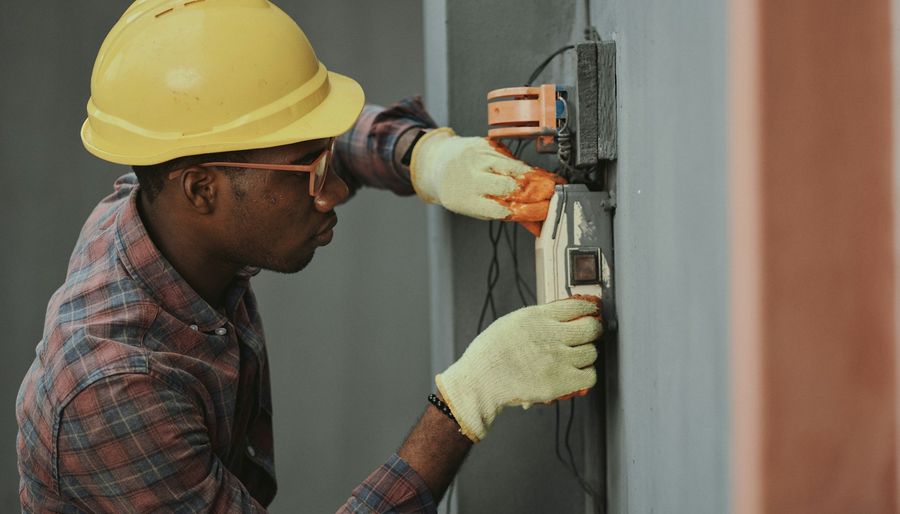
Why Regular Electrical Safety Inspections are Crucial for Your Home
Regular electrical safety inspections are vital for ensuring the safety and efficiency of your home's electrical system. As a homeowner, understanding the significance of these inspections can prevent potential hazards and costly repairs. Licensed contractors recommend periodic checks to maintain compliance with NEC codes and ensure the well-being of your family.
What are Electrical Safety Inspections?
Electrical safety inspections involve a thorough examination of your home's electrical system by a professional to ensure everything is functioning properly and safely.
- Check for adherence to NEC codes
- Evaluate circuit breakers and load capacity
- Inspect GFCI and AFCI protection
- Assess wire gauges and connections
- Identify potential electrical hazards
Why Electrical Safety Inspections Matter
Regular inspections are crucial for preventing electrical fires and ensuring the safety of your home. They provide peace of mind by identifying issues before they become serious problems.
- Prevent electrical fires due to faulty wiring
- Ensure compliance with local electrical codes
- Avoid costly emergency repairs
- Enhance the efficiency of your electrical system
How Electrical Safety Inspections Work
Initial Assessment
The inspection begins with a visual assessment of the electrical panel, outlets, and visible wiring to identify any obvious issues or signs of wear.
Detailed Testing
Licensed electricians use specialized tools to test the circuit breakers, ensuring they trip under overload conditions and verify GFCI and AFCI functionality.
Report and Recommendations
After completing the inspection, the electrician provides a detailed report, including any recommended repairs or upgrades to enhance safety.
Understanding Costs and ROI
The cost of an electrical safety inspection varies based on the size of your home and the complexity of your electrical system. However, the investment can save you from expensive repairs and hazards.
- Typical inspection costs range from $150 to $300
- Potential savings from preventing electrical fires can exceed $10,000
- Increased home value due to updated electrical systems
- Peace of mind knowing your home is safe and compliant
Common Mistakes and Pro Tips
- Do not skip regular inspections, even if there are no visible issues
- Always hire a licensed electrician for inspections
- Avoid DIY electrical repairs that could void home insurance
- Use inspections as an opportunity to upgrade to energy-efficient solutions
Frequently Asked Questions
How often should I have an electrical safety inspection?
It is recommended to have an inspection every 3 to 5 years, or whenever you purchase a new home or undertake major renovations.
What if my home fails an inspection?
If your home does not pass, the electrician will provide a list of required repairs or upgrades to bring your system up to code.
Are inspections necessary for new constructions?
Yes, even new constructions should be inspected to ensure all installations comply with the latest NEC standards.
Final Recommendations: Call a Local Expert
To ensure your home's electrical system is safe and efficient, schedule regular electrical safety inspections with a local licensed contractor. Their expertise will help identify potential issues and maintain your home's safety standards.