
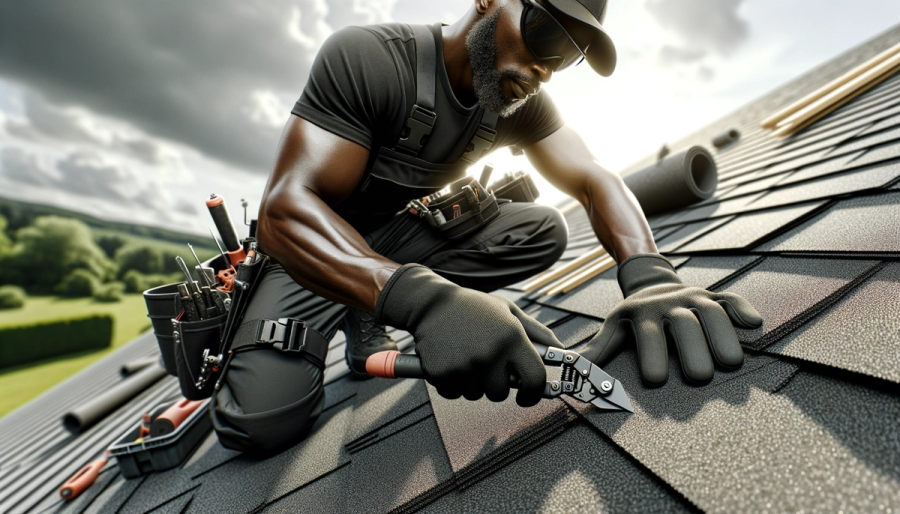
Embracing Eco-friendly Roofing Materials for a Sustainable Home
Eco-friendly roofing trends are reshaping how homeowners and licensed contractors approach roofing projects. By prioritizing sustainable materials and technologies, you can significantly reduce your home's environmental footprint while enjoying long-term energy savings.
What are Eco-friendly Roofing Trends?
Understanding eco-friendly roofing trends involves recognizing the materials and technologies that promote sustainability and energy efficiency in roofing.
- Use of recycled materials like reclaimed wood and recycled metal
- Energy-efficient options such as cool roofs and green roofs
- Integration of solar panels and solar shingles
- Installation of reflective roofing materials to reduce heat absorption
- Incorporation of high R-value insulation and underlayment
Why Eco-friendly Roofing Matters
The impact of eco-friendly roofing extends beyond individual homes, influencing broader environmental and financial aspects.
- Reduces carbon footprint by using sustainable materials
- Lowers energy bills through improved insulation and energy efficiency
- Enhances property value with modern and sustainable features
- Contributes to local environmental conservation efforts
How Eco-friendly Roofing Works
Step 1: Choose Sustainable Materials
Begin by selecting roofing materials that are sustainably sourced or have a lower impact on the environment, such as recycled metal or asphalt shingles made from recycled content.
Step 2: Consider Energy-efficient Options
Incorporate energy-efficient features like cool roofs that reflect more sunlight and absorb less heat, or install green roofs planted with vegetation to improve insulation.
Step 3: Integrate Renewable Energy Solutions
Install solar panels or solar shingles to harness renewable energy, significantly reducing reliance on non-renewable power sources and decreasing energy costs.
Cost, ROI, and Comparison of Eco-friendly Roofing
Investing in eco-friendly roofing can vary in cost, but the long-term savings and benefits often outweigh the initial expenses.
- Initial costs may be higher for materials like solar shingles compared to traditional options
- Potential energy savings can lead to a return on investment within five to ten years
- Longer lifespan of eco-friendly materials can reduce replacement frequency
- Increased property value due to sustainable features
- Potential tax incentives and rebates for using renewable energy solutions
Common Mistakes and Pro Tips for Eco-friendly Roofing
- Avoid choosing materials solely based on cost; consider long-term benefits
- Don't neglect proper installation techniques for new technologies
- Ensure all components, like underlayment and flashing, are compatible with eco-friendly materials
- Consult with a local expert to tailor solutions to your specific climate and conditions
FAQ
What are the best eco-friendly roofing materials?
The best materials include recycled metal, solar shingles, and cool roof materials designed to reflect sunlight and reduce heat absorption.
Can eco-friendly roofing be installed on any home?
Yes, most homes can incorporate eco-friendly roofing solutions, but it's important to consider the specific structure and local climate conditions.
How do eco-friendly roofs affect energy bills?
Eco-friendly roofs typically reduce energy bills by improving insulation and utilizing renewable energy sources like solar power.
Final Recommendations and Call to Action
Adopting eco-friendly roofing materials is a smart investment for homeowners seeking sustainability and cost savings. Contact a local expert today to explore the best eco-friendly roofing options for your home.